
”In discussion: the significance of historical items”
The British museum. virtual tour throughout history.
Objects from the British museums that
relates to the time-periods 1750-1900.
Slave Emancipation Medallion by Josiah Wedgwood (c. 1787)
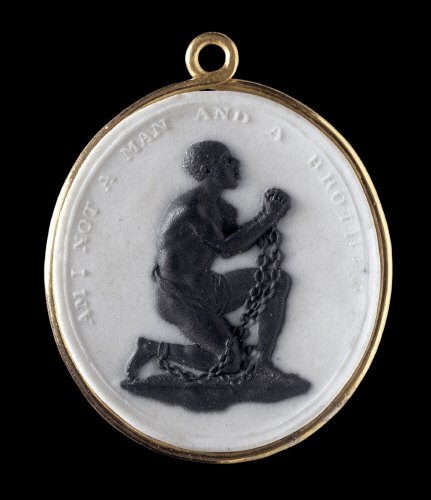
chained African kneeling with legend; set in a gilt metal mount.
The Slave Emancipation Medallion was made in 1787 by Josiah Wedgwood, an English industrial potter and abolitionist. Produced in Staffordshire, it was created at the height of Britain’s anti-slavery campaign and became one of the most recognized symbols of the movement.
The medallion served as a moral and political emblem. It aimed to raise awareness about the brutality of slavery and inspire compassion. The image of a kneeling enslaved man with the words “Am I not a man and a brother?” appealed to shared Christian and Enlightenment values. Many supporters wore it as jewellery, turning it into a piece of wearable activism.
Its aesthetic design reflected Neoclassical ideals of balance, simplicity, and virtue. The contrast between the white jasperware background and the dark figure created visual focus and moral clarity. The medallion’s beauty and restraint gave it emotional power, while also showcasing Wedgwood’s technical skill and innovation.
The piece is closely tied to modernity. It used industrial production to spread a political message, anticipating modern social campaigns and branding. The medallion embodied emerging ideas of equality and human rights, showing how art and technology could combine to promote moral progress in a changing, modern world.
Japanese Mirror with Mount Fuji Design (late 19th century)
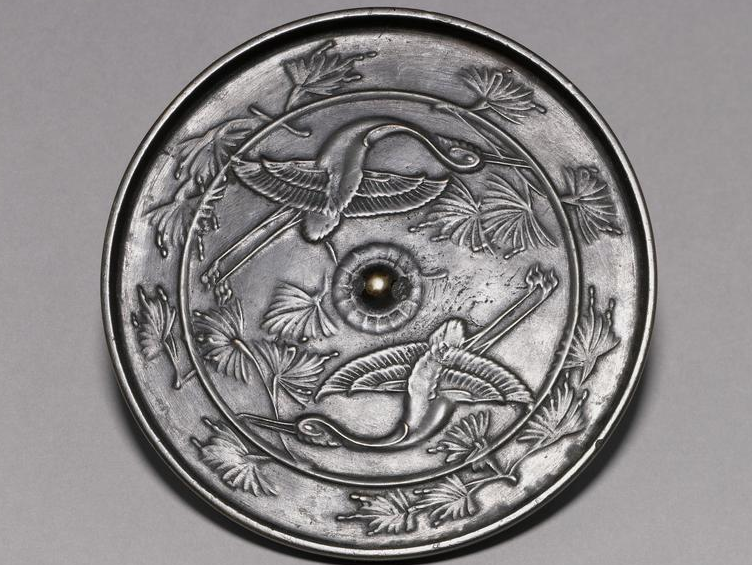
in flight and pine needles.
Made of bronze, cast using lost-wax method.
The Japanese Mirror with Mount Fuji design was made in the late 19th century, during Japan’s Meiji period (1868–1912). This was a time of rapid modernization when Japan opened to the world and sought to redefine itself as a modern nation while preserving its cultural traditions.
The mirror served both practical and symbolic purposes. It could be used for reflection, but mirrors in Japanese culture also carried spiritual meaning, representing purity and truth. This example, featuring Mount Fuji, may have been made as a decorative or export item, showing national pride and appealing to Western collectors.
Its aesthetic ideals were rooted in traditional Japanese values of harmony, simplicity, and reverence for nature. The image of Mount Fuji expressed beauty, balance, and identity. The craftsmanship combined elegance and technical precision, while subtle Western influences reflected Japan’s growing artistic exchange with other nations.
The mirror reflects modernity through its blend of tradition and innovation. It represents how Japan adapted its artistic heritage to fit a global market, using craft as a form of cultural diplomacy. Through objects like this, Japan gained wealth, prestige, and recognition as a modern, creative nation on the world stage.
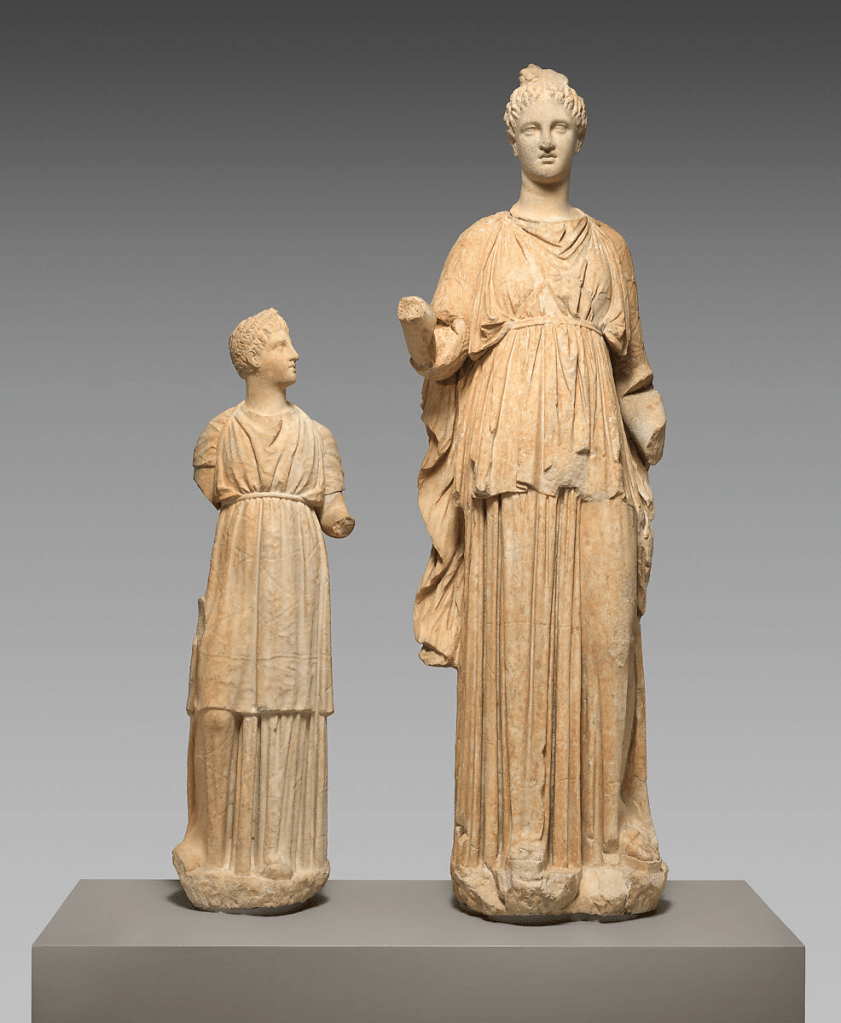
A historic item
WRITTEN BY HADIYA SEQUOIA INTERIOR & SPATIAL



 CAD4016 Academic Journal
Leave a reply to phenomenal7a0960be8b Cancel reply